
Many first-time Umrah Pilgrims make the same mistakes: they travel without learning the basic rituals, book unclear Umrah Packages, enter ihram at the wrong time, rush through tawaf and sa’i, ignore health and heat, and get distracted by phones and shopping.
A First-Time Umrah Pilgrim can avoid most of these problems by learning a simple step-by-step guide, using trusted operators or official platforms, and treating the journey as worship, not a sightseeing trip.
What Do First-Time Umrah Pilgrims Usually Get Wrong?
For many Umrah Pilgrims, the first big mistake happens before they even leave the US. They book flights, pack bags, maybe join a group, but they don’t clearly know:
- Where to make ihram.
- How to do tawaf and sa’i correctly.
- What breaks ihram?
- When is Umrah actually complete?
Some people think, “I’ll just follow my group leader,” or “Someone there will tell me what to do.” That can leave you confused, stressed, and worried that you did things wrong. A smoother Umrah starts with a little learning at home.
Mistake 1 – Travelling Without Learning the Umrah Steps
A First-Time Umrah Pilgrim does not need to be a scholar. But you should know the basic order of Umrah and what is fard, what is sunnah, and what is just “extra.” Many guides and scholars list the core steps in a simple way:
- Make niyyah (intention) and enter ihram at or before the miqat.
- Recite talbiyah on the way.
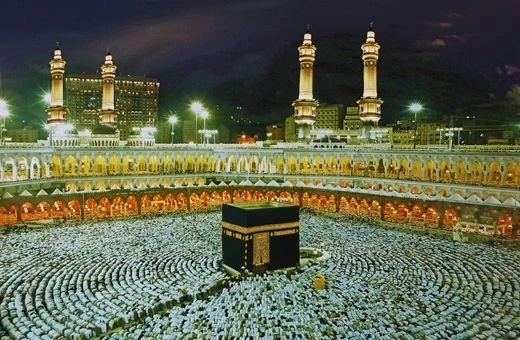
- Do tawaf (7 rounds) around the Kaaba.
- Pray two rak‘at after tawaf if you can.
- Do sa’i between Safa and Marwa (7 trips, starting at Safa and ending at Marwa).
- Shave or trim hair (men) or trim a small section (women).
What goes wrong?
- People mix Umrah and Hajj intentions.
- They do not know that Umrah starts at the miqat, not at the hotel.
- They copy others during tawaf or sa’i without knowing what is actually required.
How to fix it:
- Read one short, trusted Umrah booklet from a known publisher or mosque.
- Watch a simple video series from a recognised scholar or centre.
- Attend a local class, if available, at your masjid in the US.
When you understand the steps, you feel calmer and more focused. You also spot mistakes early and correct them.
Mistake 2 – Trusting Random Deals Instead of Umrah Packages
A lot of Umrah Pilgrims still fall into this trap: a cheap deal in a WhatsApp status, a random ad on social media, or a “friend of a friend” offering a package with very few details. Recent news has even reported cases in which Umrah companies were suspended for failing to provide the promised accommodation.
What goes wrong?
- No clear written itinerary.
- Hotel names not confirmed.
- Transfers and local transport are left vague.
No clarity on visa support or help if flights change.
For US travellers, this is a big risk. You are flying a long distance, across time zones, often with family. You cannot afford to arrive and find that your hotel is not what you were told it would be.
How to fix it:
- Choose Umrah Packages from licensed, well-reviewed agencies in your country.
- Ask for everything in writing: hotel names, distance to Haram, meal plan, and transfers.
- Check whether the operator uses the official Saudi Umrah platform, an official service under the Ministry of Hajj and Umrah for permits and bookings.
- Search online reviews, not just what the agent tells you.
A good package does not have to be “luxury,” but it should be clear, honest, and legal.
Mistake 3 – Ihram and Niyyah Mistakes at the Miqat
The state of ihram is more than white cloth. It is a special mode of worship with rules. Many Umrah Pilgrims make mistakes here, especially those flying from the US who are unsure when they cross the miqat.
Common ihram mistakes:
- Entering ihram after passing the miqat.
- Forgetting to make a clear intention for Umrah.
- Using perfume on the body or clothes after entering ihram.
- Cutting nails or hair during ihram without a valid reason.
How to avoid them:
- Learn where your flight crosses the miqat. Many airlines announce it; you can also ask the cabin crew.
- Put on the ihram clothes before boarding or well before the miqat on the plane.
- Make your niyyah in your heart and, if you like, with simple spoken words.
- Once in ihram, avoid perfume, nail-cutting, hair-cutting, and arguments.
If you realise you passed the miqat without ihram, speak to a scholar as soon as possible. In some cases, a penalty (fidyah) may be required, which usually involves sacrificing an animal or giving charity.
Mistake 4 – Tawaf and Sa’i Mistakes
Tawaf and sa’i are the heart of Umrah. Many lists of “common mistakes in Umrah” mention the same problems again and again.
In tawaf, common mistakes include:
- Not starting at the Black Stone line.
- Doing fewer or more than seven rounds.
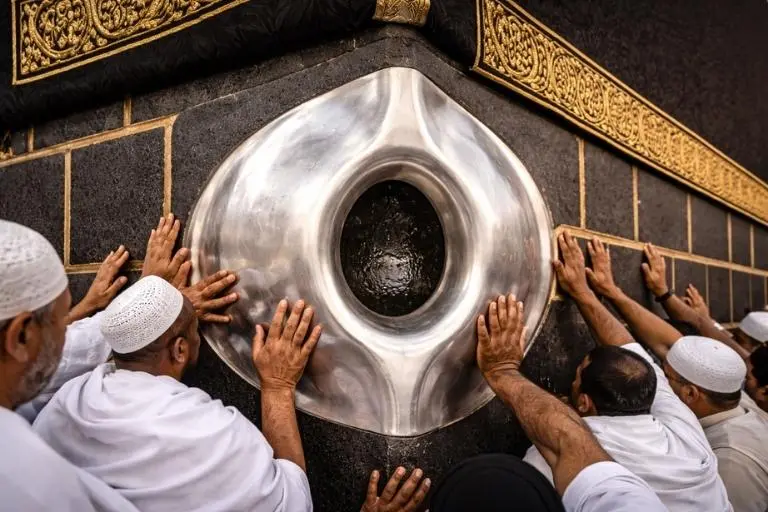
- Pushing or shoving other pilgrims to touch the Black Stone.
- Treating tawaf like casual walking and long chatting.
According to many scholars, tawaf should be done in a state of wudu (purity), just like salah.
In sa’i between Safa and Marwa, common mistakes include:
- Not starting at Safa and not ending at Marwa.
- Losing count of the seven trips.
- Men running in the wrong places instead of only between the green markers.
- Treating sa’i as a workout and forgetting to make du‘a.
How to avoid these mistakes:
- Before you start, quickly review the steps with a small card or app.
- If you lose count in tawaf or sa’i, choose the lower number you are sure of and complete from there.
- Do not push or hurt others just to touch the Black Stone or the walls of the Kaaba. Touching is sunnah; not harming people is wajib.
- Use sa’i time to make personal du‘a and dhikr in a calm voice.
Mistake 5 – Ignoring Health and Practical Prep
For Umrah Pilgrims from the US, the trip is long. You might cross 8–10 time zones and face big temperature changes. Many First-Time Umrah pilgrims underestimate how tired they will feel in the first 24–48 hours.
What goes wrong:
- Landing in Jeddah or Madinah and going straight into full rituals with no rest.
- Walking for hours in the heat without enough water.
- Not bringing basic items like a power bank, comfortable footwear (within the ihram rules for men), or any needed medication.
How to avoid it:
- Plan at least some rest before doing your Umrah. Even a short nap helps.
- Drink water regularly, use shade where possible, and don’t be shy about taking short breaks.
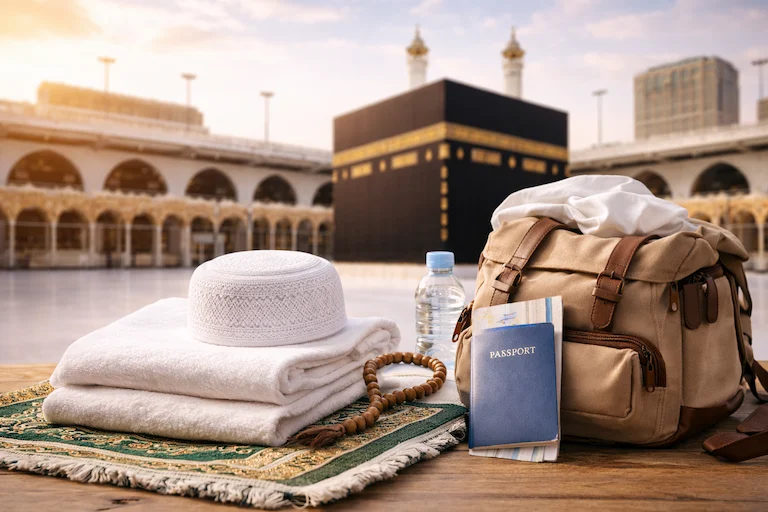
- Pack a simple, realistic list:
- Ihram clothes and pins/belt.
- Comfortable sandals or slippers.
- Unscented soap and wipes.
- Power bank and adapter.
- Refillable water bottle.
- Any personal medication.
Umrah is not a race. Moving a little slower but with a clear mind is better than rushing and compromising your health.
Mistake 6 – Treating the Journey Like Sightseeing or Social Media Content
Most modern “mistakes in Umrah” guides now mention phones and cameras.
Common issues:
- Walking in tawaf or sa’i with the phone in front of your face.
- Taking long selfie sessions in front of the Kaaba.
- Recording others without permission.
- Spending hours in malls and cafes while leaving very little time in the Haram.
There is nothing wrong with a few photos to remember the trip. But when the phone takes most of your attention, you lose the point of being in Makkah and Madinah.
Better habits:
- Set “phone rules” for yourself: maybe a few quick photos at set times, then put it away.
- Keep your phone on silent in the Haram.
- Focus on salah, Qur’an, du‘a, and quiet reflection.
- Limit shopping to short windows outside peak worship times.
Remember: your heart will remember the peace and tears far more than the selfie angles.
Mistake 7 – Ignoring Heat, Hydration, and Crowd Safety
Makkah and Madinah can be very hot, and health authorities regularly warn about heat exhaustion and dehydration during Hajj and Umrah.
What goes wrong:
- Standing in direct sunlight for too long.
- Walking long distances without water.
- Not taking breaks, especially in crowded areas.
How to avoid it:
- Carry a refillable bottle and sip water regularly.
- Use shade or air-conditioned areas to rest between rituals.
- Wear light, breathable clothing and use an umbrella or cap when possible (within ihram rules).
- In heavy crowds, move calmly, avoid pushing, and follow official staff directions.
Mistake 8 – Loud Group Du’a & Following Crowds Blindly
Group du‘a during tawaf and sa’i can disturb others and become more about copying than personal connection.
What goes wrong:
- One person shouts du‘a; everyone repeats loudly in unison.
- People stop in the walking path to listen to a guide.
- You rely only on the group leader and don’t learn anything yourself.
How to avoid it:
- Make your own du‘a in a normal, soft voice.
- You can use a small book or app quietly, but don’t block paths.
- Learn enough that you’re not lost without the group.
You don’t need to be part of a loud circle to be close to Allah.
Mistake 9 – Bad Manners with Other Pilgrims
Many “common mistakes” lists mention the same behaviour issues: pushing, shouting, rude words, and impatience.
What goes wrong:
- Pushing elderly people out of the way to reach a spot.
- Fighting over small things: space, shoes, queues.
- Forgetting that every person there also answered Allah’s call.
How to avoid it:
- Slow down and remind yourself: reward comes from patience, not from being first.
- Help people who look lost or tired if you can.
- Treat others as you hope to be treated if you were old, sick, or alone.
Good manners are part of worship, not separate from it.
Mistake 10 – Forgetting the Point Once You Come Home
People return from Umrah feeling clean and light, only to slowly slide back into old habits.
Common problems after Umrah:
- Feeling proud or looking down on others: “I went, they didn’t.”
- Posting in a way that shows off, not just shares.
- Dropping prayers or good habits after a few weeks.
Umrah should make you more humble, not more proud. The real test is not only how you behave in Makkah and Madinah, but how you live in New York, Houston, Chicago, LA, or wherever you return to in the US.
Try to keep at least a few habits from your trip: more focused salah, regular du‘a, patience with family, and less attachment to sins.
How First-Time Umrah Pilgrims from the US Can Travel Smarter
For Umrah Pilgrims travelling from the US, avoiding these mistakes is not about perfection. It is about doing your best, then asking Allah to forgive whatever you did not know.
To keep it simple:
- Learn the basic Umrah steps before you fly.
- Choose clear, honest Umrah Packages instead of random, cheap deals.
- Take ihram and miqat seriously.
- Be careful with tawaf and sa’i counts and behaviour.
- Protect your health and energy, especially in the first days.
- Use your phone less and your du‘a more.
- Let Umrah change how you live after you come home.
Book Umrah Package from the USA with Trusted Agents
If you’re a first-time Umrah pilgrim travelling from the US and you’d rather not stress over flights, hotels, and ground arrangements, you don’t have to do this alone. Alhadi Travel is a USA-based, ATOL-protected, and IATA-certified Umrah specialist with long experience arranging tailored Umrah packages for international pilgrims.
Share your travel dates, preferred airports, group size, and budget, and the Alhadi team can help you build a practical Umrah plan that works for US departures, connecting you to Makkah and Madinah with clear itineraries, hotels near the Haramain, and support at every step.