
Umrah in Islam is a voluntary pilgrimage to Makkah that Muslims can perform at any time of year by entering ihram, performing tawaf around the Kaaba, doing sa’i between Safa and Marwa, and finishing by trimming or shaving their hair.
If you’re in the USA and researching Umrah for the first time, you’re not alone. Many pilgrims start with one simple question: What is Umrah in Islam, and what do I actually do once I arrive in Makkah?
This guide helps you understand Umrah, its meaning, steps, and significance before booking Umrah.
What is Umrah in Islam?
Umrah (often called the “minor pilgrimage”) is an act of worship centered around the Sacred Mosque in Makkah. It includes a set of specific rituals that follow the Prophetic tradition and connect pilgrims to the history of faith, sacrifice, and reliance on Allah. It’s considered highly rewarding, but it is not obligatory in the same way as Hajj is.
Umrah is a focused spiritual journey with a clear beginning and end, performed with intention (niyyah), humility, and remembrance of Allah, while following defined steps.
The significance of Umrah in Islam
The Umrah significance is both spiritual and personal:
- Renewal of faith: Many pilgrims describe Umrah as a reset, returning with a softer heart, clearer priorities, and a stronger connection to salah and Qur’an.
- Closeness to the Kaaba: Being in Makkah, facing the Kaaba in person, can feel deeply grounding for pilgrims who’ve only ever faced it from afar.
- A Sunnah-based journey: Umrah’s rituals echo the worship practiced by Muslims for centuries, linking you to a living tradition.
And because Umrah can be performed throughout the year (unlike Hajj, which is tied to specific days), many USA pilgrims choose it when they can take time off work, school, or family commitments.
How to perform Umrah step by step?
Below is a straightforward overview of how Muslims perform Umrah in Makkah. (Details can vary slightly by scholarly opinion, but the core structure remains consistent.)
1) Enter Ihram (state of worship)
You begin Umrah by entering ihram, a sacred state marked by intention and certain restrictions. People usually enter ihram at a designated boundary (miqat) depending on their route.
Practical tip for USA pilgrims: If you’re flying from the USA (often via a transit country), ask your airline crew or group leader when you’ll pass the miqat so you can be ready.
2) Tawaf (circling the Kaaba)
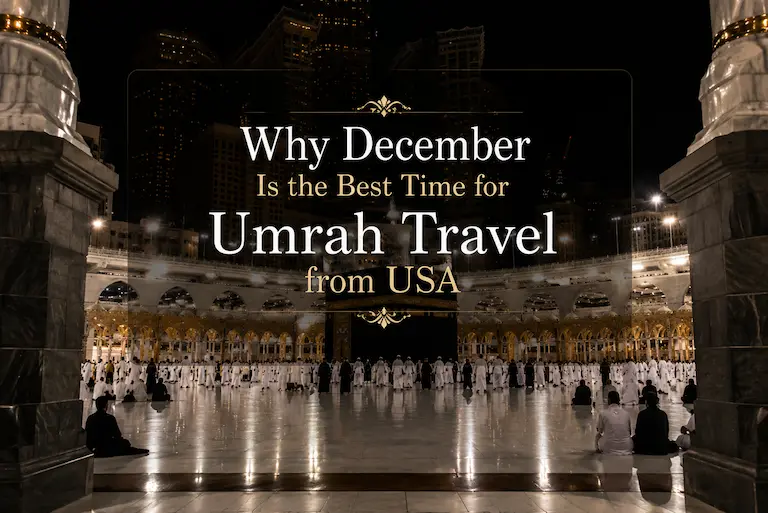
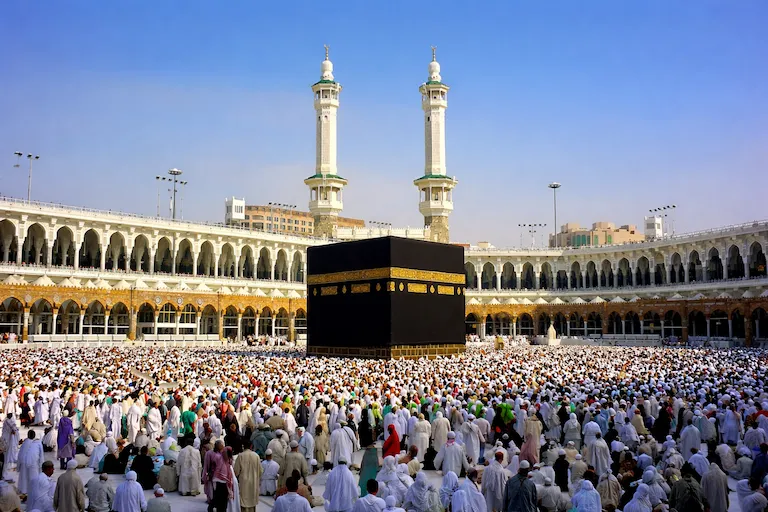
Next is tawaf, circling the Kaaba seven times in a counterclockwise direction as an act of worship. This is a powerful moment for du’a, gratitude, and seeking forgiveness.
3) Sa’i between Safa and Marwa
Then comes sa’i, walking between Safa and Marwa seven times. This ritual is directly connected to the Qur’anic mention of Safa and Marwa as symbols of Allah, and it commemorates Hajar’s struggle and trust while searching for water.
Quick clarity (because many people ask):
- One “lap” is from Safa to Marwa (or Marwa to Safa).
- You complete seven rounds total.
4) Halq or Taqsir (shaving or trimming hair)
Umrah ends with halq (shaving the head) or taqsir (trimming the hair). After this, you exit ihram, and your Umrah is complete.
Safa and Marwa: why this part matters so much
People often hear “Safa and Marwa” and assume it’s just a walk. But spiritually, it’s one of the most moving parts of Umrah.
The Qur’an mentions Safa and Marwa as among the symbols of Allah, and sa’i is performed between them.
The act itself reflects perseverance, reliance, and hope, continuing to move forward even when the answer isn’t visible yet.
For many pilgrims, sa’i becomes personal: it’s where they pour out their fears, make du’a for their family, and ask Allah to open doors that have felt closed for a long time.
Difference between Umrah and Hajj (Quick comparison)
Both are pilgrimages connected to Makkah, but they are not the same.
- Hajj is one of the five pillars of Islam and is obligatory once in a lifetime for those who are able.
- Umrah is voluntary (highly rewarding, but not fard in the same way), and it can be performed year-round.
- Hajj includes additional major rituals (like standing at Arafat), while Umrah focuses on ihram, tawaf, sa’i, and halq/taqsir.
Planning Umrah from the USA: what to prepare (without overwhelm)
If you’re booking from the States, the spiritual preparation matters most, but the practical side helps you worship with less stress.
Here are a few calm, USA-specific reminders:
- Passport timing: Make sure your passport has comfortable validity left before you book flights.
- Group vs independent travel: First-timers often prefer a guided group for confidence and structure.
- Ihram essentials: Pack ihram items (and comfortable footwear) in your carry-on if you can.
- Expect crowds: Even outside peak seasons, Makkah can be busy; patience is part of the worship.
If you want support with the logistics, working with a trusted Umrah Travel agency in USA can reduce last-minute confusion, especially around routes, hotel distance, and ground transport.
At Alhadi Travel, our focus is on helping USA pilgrims plan in a way that keeps the journey smooth and worship-focused (rather than paperwork-focused).
Umrah in Islam is worship, not just travel..!!
To sum it up, Umrah in Islam is a beautiful act of worship, built around intention, humility, and a set of sacred rituals: ihram, tawaf, sa’i between Safa and Marwa, and halq/taqsir.
If you’re preparing from the USA, learn the steps, plan with care, and keep your heart focused on why you’re going. The journey may be miles long, but the purpose is closeness to Allah.
If you’d like help planning your trip with clarity (flights, hotels, and a structured approach), explore Alhadi Travel’s USA-friendly Umrah options and speak with our team for practical guidance.